

Learning to drive a manual car is one of the most valuable skills for new drivers, especially for those searching for Driving lessons near me.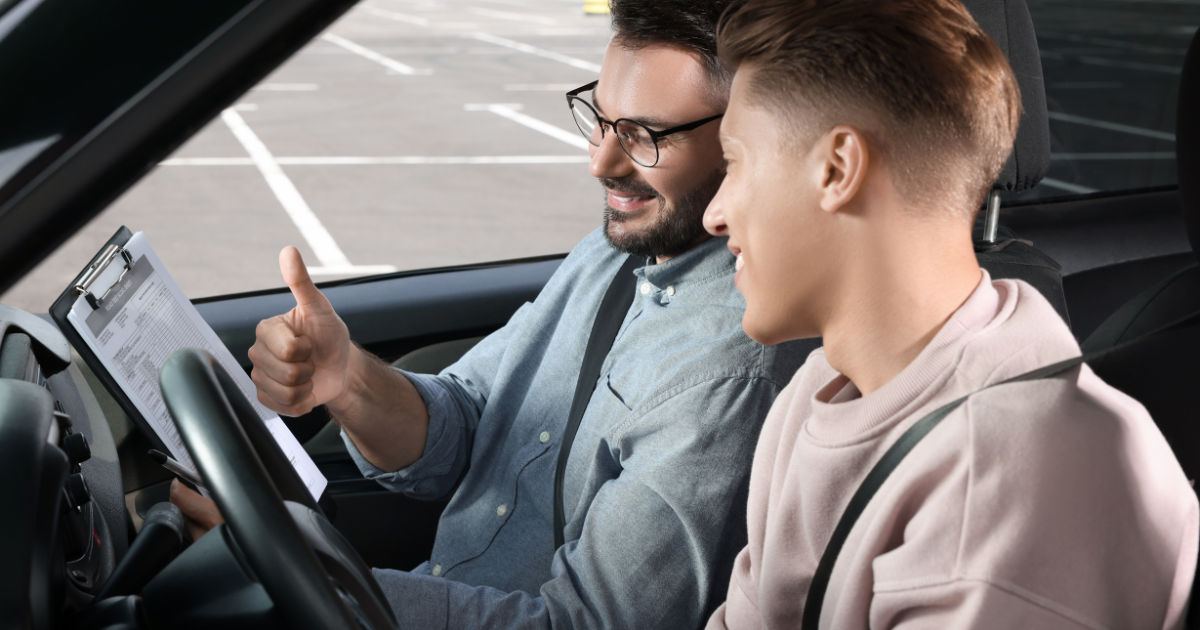
Many learners choose manual transmission because it gives better control, improved fuel efficiency, and more driving flexibility. However, beginners often make similar mistakes that slow down their progress and reduce confidence.
If you are currently looking for Driving lessons near me, understanding these common mistakes early can help you become a smoother, safer, and more confident driver.
This detailed guide explains every major error beginners make in manual driving and how to fix them in a simple, easy-to-understand way.
The Basics of Manual Driving
Before exploring mistakes, it is important to understand how manual driving works. A manual car uses a clutch pedal, gear system, and accelerator to control speed and movement. Unlike automatic cars, you must coordinate your hands and feet at the same time.
Many learners searching for Driving lessons near me struggle at first because manual driving requires coordination, timing, and patience. The learning curve is normal, and every experienced driver once faced the same challenges.
Manual driving is not just about changing gears. It is about understanding the engine’s response, road conditions, and smooth control of the vehicle.
Not Understanding the Clutch Properly
One of the most common mistakes beginners make is not understanding the clutch.
The clutch is the most sensitive part of a manual car. It connects and disconnects engine power from the wheels. Beginners often release the clutch too quickly or press it too slowly.
When learners search for Driving lessons near me, instructors often notice that clutch control is the biggest challenge.
Releasing the clutch too fast can cause the car to stall. Holding it too long can damage the clutch system and reduce fuel efficiency. The key is to find the “biting point,” which is the moment the car starts to move gently.
Practicing this slowly in an empty area helps build confidence and smoother control.
Frequent Stalling of the Car
Stalling is one of the most frustrating experiences for new drivers. It usually happens when the clutch and accelerator are not balanced properly.
Many beginners searching for Driving lessons near me feel embarrassed when the car stalls at traffic lights or during hill starts. However, stalling is completely normal during the learning stage.
The main reasons for stalling include releasing the clutch too quickly, not giving enough fuel, or being in the wrong gear. To avoid this, drivers should learn to coordinate both pedals smoothly.
With practice, the fear of stalling disappears, and driving becomes more natural.
Incorrect Gear Selection
Choosing the wrong gear is another major mistake beginners make.
Manual driving requires selecting the correct gear based on speed and road conditions. Many learners either stay in a low gear for too long or switch to a high gear too early.
People searching for Driving lessons near me often struggle with gear confusion during their first few lessons.
Driving in the wrong gear can lead to engine strain, poor fuel efficiency, and loss of control. For example, using a high gear at low speed can cause the engine to struggle, while using a low gear at high speed can make the car noisy and inefficient.
Understanding when to shift gears comes with experience and observation of engine sound and road conditions.
Riding the Clutch
Riding the clutch means keeping your foot partially pressed on the clutch pedal while driving. This is a very common beginner mistake.
Many learners who search for Driving lessons near me are unaware that this habit can damage the clutch system over time.
Riding the clutch creates unnecessary friction and wear, which can lead to expensive repairs. It also reduces fuel efficiency and makes driving less smooth.
The correct habit is to fully release the clutch once the gear is engaged. The clutch should only be used when changing gears or stopping the car.
Poor Coordination Between Hands and Feet
Manual driving requires teamwork between hands and feet. Beginners often struggle with this coordination.
When searching for Driving lessons near me, learners usually find that their biggest challenge is synchronizing steering, clutch, brake, and gear changes at the same time.
Poor coordination can lead to jerky movements, stalling, or incorrect gear shifts. The solution is slow and consistent practice.
At first, drivers should focus on one action at a time. Gradually, muscle memory develops, making coordination automatic.
Not Using Handbrake Properly on Hills
Hill starts are one of the most difficult parts of manual driving. Beginners often roll backward because they do not use the handbrake correctly.
Students searching for Driving lessons near me frequently fear hill starts during early lessons.
The handbrake helps hold the car in place while you find the biting point. Releasing it too early or not using it at all can cause the vehicle to roll backward.
With practice, drivers learn how to balance the clutch, accelerator, and handbrake smoothly for safe hill starts.
Overusing the Brake or Accelerator
Another common mistake is being too aggressive or too cautious with pedals.
Some beginners press the accelerator too hard, causing sudden movement. Others rely too much on the brake, making driving jerky and uncomfortable.
Many learners searching for Driving lessons near me are advised to develop smooth pedal control.
Driving should feel balanced. Gentle acceleration and gradual braking create a comfortable and safe driving experience.
Smooth driving also improves fuel efficiency and reduces wear on the vehicle.
Ignoring Road Awareness
New manual drivers often focus too much on gears and pedals and forget to observe the road.
When people search for Driving lessons near me, instructors emphasize that awareness is just as important as control.
Ignoring traffic signs, pedestrians, or other vehicles can lead to dangerous situations. Beginners should always keep their eyes moving between mirrors, road signs, and surrounding traffic.
Good road awareness helps drivers make better decisions and reduces reaction time.
Incorrect Seating Position
Seating position plays a bigger role than many beginners realize.
A poor seating position affects clutch control, steering accuracy, and overall comfort. Many learners searching for Driving lessons near me do not adjust their seat properly before starting.
The seat should allow full control of pedals without stretching or leaning too far. Hands should comfortably reach the steering wheel, and feet should move freely between pedals.
A correct posture reduces fatigue and improves driving precision.
Not Checking Mirrors Frequently
Mirror checking is essential for safe driving, but beginners often forget to do it regularly.
During lessons, instructors offering Driving lessons near me always remind students to develop a mirror-checking habit.
Mirrors help you understand what is happening behind and beside your vehicle. Not checking them can lead to unsafe lane changes or missed hazards.
Good drivers check mirrors before turning, changing lanes, or slowing down.
Poor Understanding of Speed Control
Speed control is another area where beginners struggle.
New manual drivers often either drive too fast due to nervousness or too slow due to lack of confidence.
People searching for Driving lessons near me are often taught that speed should match road conditions, not emotions.
Driving too fast reduces reaction time, while driving too slowly can disrupt traffic flow. The goal is to maintain steady and controlled speed at all times.
Panic During Traffic Situations
Panic is a natural reaction for beginners, especially in busy traffic.
Many learners searching for Driving lessons near me experience stress when dealing with roundabouts, intersections, or heavy traffic.
Panic leads to mistakes like wrong gear selection, sudden braking, or hesitation. The best solution is calm practice and gradual exposure to traffic situations.
Confidence grows over time, and repeated experience reduces fear.
Not Practicing Enough
Lack of practice is one of the biggest reasons beginners struggle with manual driving.
Even after attending Driving lessons near me, learners need extra practice to build confidence.
Driving is a skill that improves through repetition. Without practice, learners forget techniques and lose confidence.
Consistent driving in safe environments helps build strong habits and muscle memory.
Improper Use of Indicators
Many beginners forget to use indicators correctly or use them too late.
Driving schools offering Driving lessons near me always stress the importance of signaling.
Indicators communicate your intentions to other drivers. Not using them properly can confuse others and cause accidents.
Good drivers signal early and clearly before turning or changing lanes.
Conclusion
Manual driving is a skill that takes time, patience, and consistent effort to master. Beginners often make mistakes such as poor clutch control, incorrect gear selection, stalling, and lack of road awareness. However, these mistakes are part of the learning journey and can be corrected with proper guidance and practice.
Anyone searching for Driving lessons near me should understand that progress comes step by step. With regular practice, proper instruction, and patience, these common mistakes gradually disappear.
The key to becoming a confident manual driver is staying calm, practicing regularly, and learning from each mistake instead of fearing it. Over time, driving becomes smooth, natural, and enjoyable.
